FROM "HOW DO WE CODE THIS?" TO "HOW DO WE SOLVE THIS?"
AUTHOR /
JANET GONZALES
YEAR /
2026
That's exactly how this one started. Our SetMaat team had a "wait... what if we brought this to the Mozilla Foundation?" moment, and suddenly we were moving fast - across the country and right inside the same code base.
I want to talk about what that felt like, because honestly, it changed how I think about my role as a designer.
SetMaat is a non-profit cooperative from Cairo building what we call "the agentic digital backpack platform." Think of it as an open, encrypted place to keep the notes, memories, records and archives an AI needs to know about you - where you decide which apps and agents get to reach in.
The name comes from Maat, the ancient Egyptian idea of truth and order. "SetMaat" means setting Maat in place, and I love that. In a world where AI wants to know everything about you, putting truth and order back in your hands feels like the right mission.
There are two main pieces:
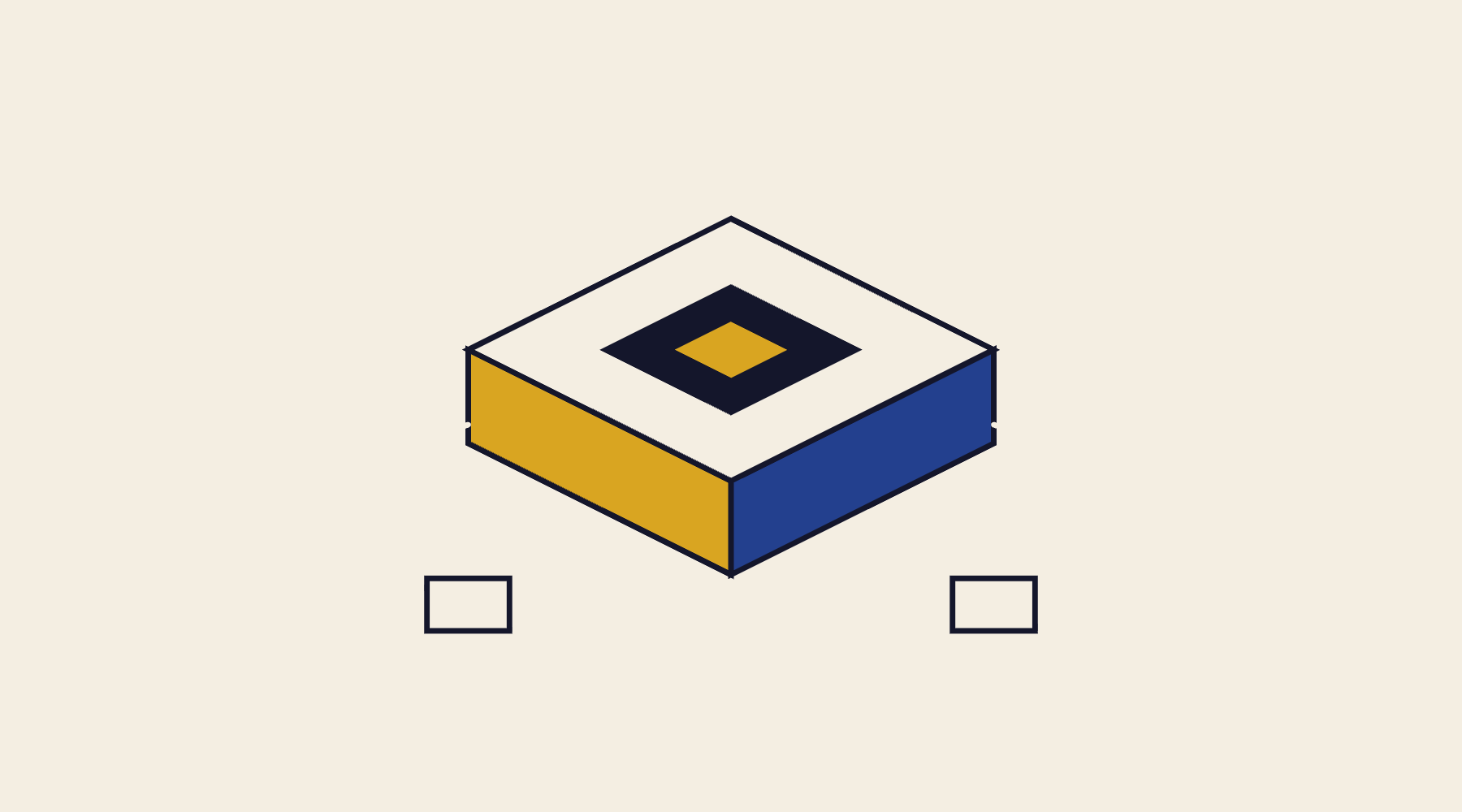
1. PWS Spaces - Encrypted storage built on the W3C Portable Web Spaces specification. Your data lives in Spaces and Collections, and you can export it, import it, sync it across servers you choose, or self-host it.
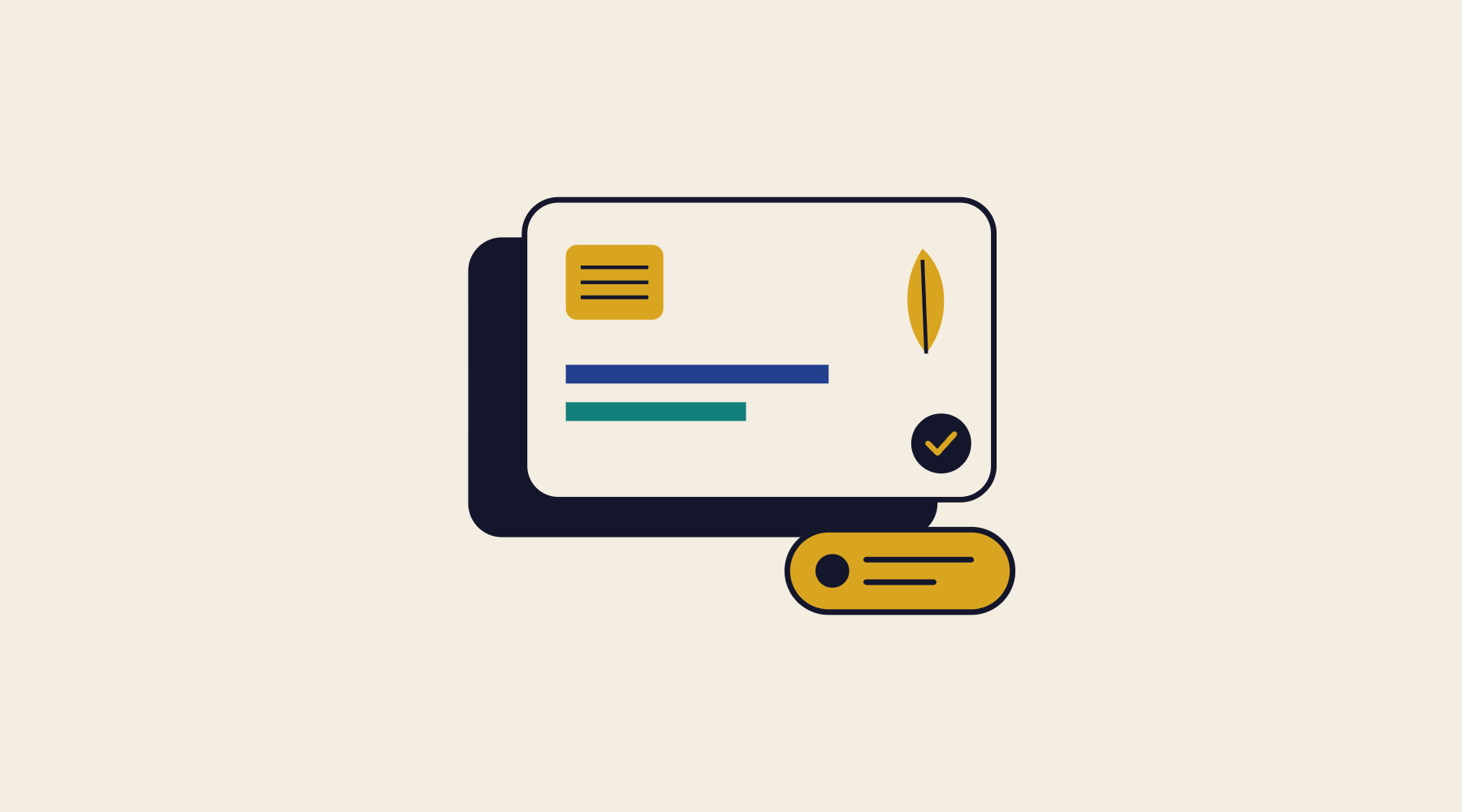
2. Freewallet - A free, open-source browser wallet that keeps your keys and credentials on your device. You unlock it with a passkey or passphrase, and you can give apps or agents scoped access that you can take back anytime.
I'm lucky to be an advisor alongside Juan "Bumblefudge" Caballero, working with founding members Dmitri Zagidulin, Omar Salah and Kholoud Fattem. 🙌
Last-minute ideas usually mean scrambling. Lots of calls, lots of "can you make this change when you get a sec?" messages, and a lot of waiting. This time felt different. We were spread out across the country, but it honestly felt like we were working side by side - in our conversations and inside the code base.
I'll admit, this is the part I'm most proud of. I know my way around HTML and CSS, but before Claude Code I wouldn't have been able to (or felt confident enough to) jump into the code base and open my own pull requests. I would have made a mockup, written up the changes and handed it off.
This time I could plug right in. When I saw something that needed to change, I could make the change, open a PR and get it in front of the team for review. No translation layer, no waiting in someone else's queue, and no losing the details between my design and the final build.
AI shifts things from "how can we code this?" to "how can we solve this problem?"
That shift is the big takeaway for me. When the question is "how can we code this?", the conversation gets stuck on who can build what, and design ends up waiting on engineering bandwidth. When the question becomes "how can we solve this problem?", everyone - designers included - gets to work on the thing that actually matters.
It doesn't mean designers are replacing engineers. PRs still go through review, and engineering expertise is what keeps a code base healthy. It means the gap between "here's the idea" and "here's the working thing" got a lot smaller, and I got to be closer to the build than ever before.
A few things I'm taking with me:
Huge thank you to the SetMaat team for letting me jump in head first. If you're curious, check out setmaat.com - and if you're a designer who's been nervous about opening your first PR, I'd genuinely love to chat. ✨